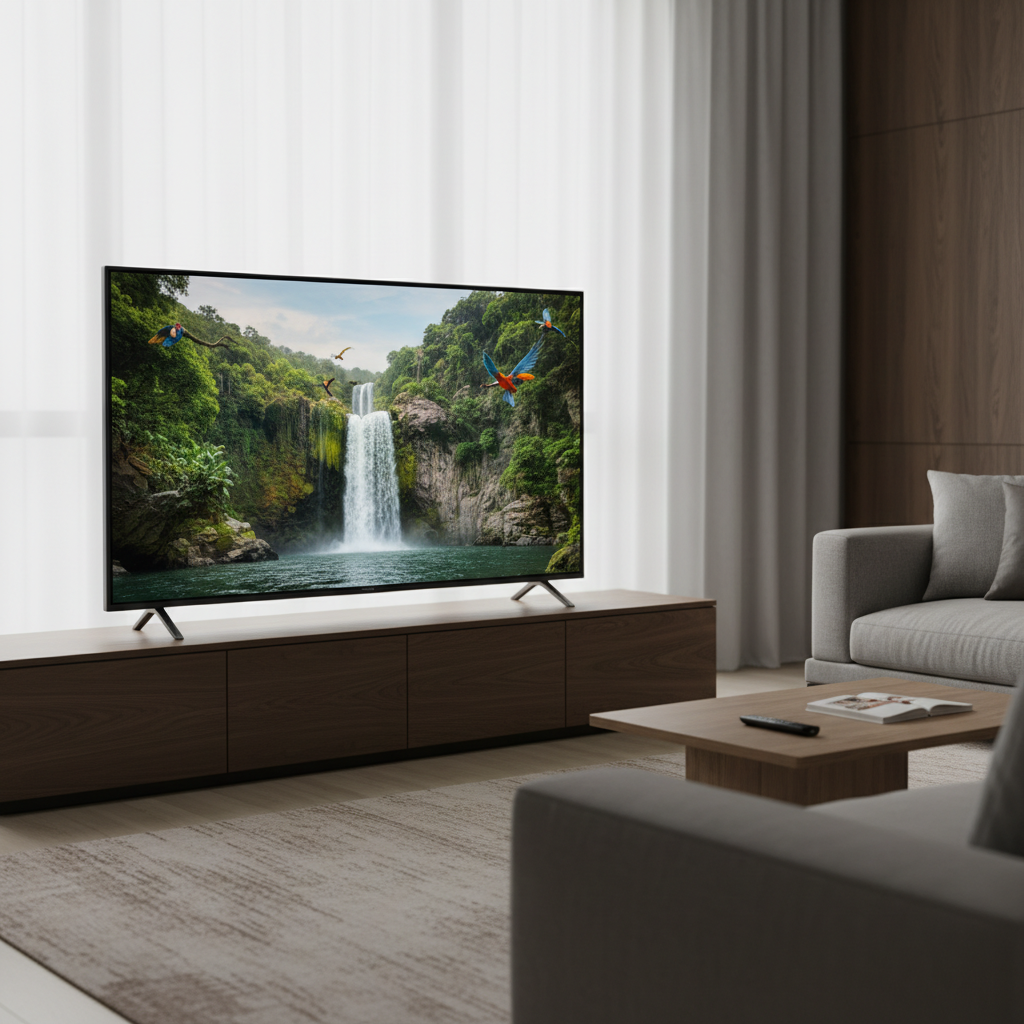
The quest for a new 4K TV often begins with a desire for stunning visuals and immersive experiences, but ends with a tight budget. In this landscape, Element Electronics frequently emerges as a contender, promising the allure of 4K without the hefty price tag. But what exactly does a “basic” Element 4K TV deliver? This comprehensive review dives deep into the performance, features, and overall value of Element’s entry-level 4K televisions, helping you discern if one is the right fit for your home entertainment needs and budget. We’ll explore everything from picture clarity to smart functionalities, giving you an honest look at what to expect from this budget-friendly brand.
Key Considerations When Buying a Basic Element 4K TV
Choosing a 4K TV, especially on a budget, requires understanding what aspects are truly essential for your viewing habits. Element Electronics aims to provide core functionalities at an accessible price point, but discerning shoppers should be aware of where these models excel and where they make compromises.
What is 4K Resolution and Why Does It Matter for Element TVs?
|
Our Picks for the Best 4K TV in 2026
As an Amazon Associate I earn from qualifying purchases.
|
||
| Num | Product | Action |
|---|---|---|
| 1 | TOSHIBA 43" Class C350 Series LED 4K UHD Smart Fire TV, Voice Remote with Alexa, Free & Live TV |

|
| 2 | TCL 55 Inch Class T7 Series | 4K QLED HDR | 55T7, 2025 Model | 120HZ Refresh Rate High Brightness Smart Google TV Dolby Atmos Audio | Voice Remote Alexa Gaming Streaming Television |
|
| 3 | Roku Smart TV – 55-Inch Select Series, 4K HDR TV – Roku TV with Enhanced Voice Remote – Flat Screen LED Television with Wi-Fi for Streaming Live Local News, Sports, Family Entertainment |
|
| 4 | Samsung 65-Inch Class Crystal UHD U8000F 4K Smart TV (2025 Model) Endless Free Content, Crystal Processor 4K, MetalStream Design, Knox Security, Alexa Built-in |
|
| 5 | Samsung 65-Inch Class QLED Q7F Series Samsung Vision AI Smart TV (2025 Model, 65Q7F) Quantum HDR, Object Tracking Sound Lite, Q4 AI Gen1 Processor, 4K upscaling, Gaming Hub, Alexa Built-in |
|
| 6 | INSIGNIA 43" Class F50 Series LED 4K UHD Smart Fire TV, Voice Remote with Alexa, Stream Live TV Without Cable |
|
| 7 | INSIGNIA 50" Class F50 Series LED 4K UHD Smart Fire TV, Voice Remote with Alexa, Stream Live TV Without Cable |
|
| 8 | Samsung 55-Inch Class QLED Q7F Series Samsung Vision AI Smart TV (2025 Model, 55Q7F) Quantum HDR, Object Tracking Sound Lite, Q4 AI Gen1 Processor, 4K upscaling, Gaming Hub, Alexa Built-in |
|
| 9 | Hisense 43" Class A7 Series (43A7NF, 2025 Model) 4K UHD Smart Fire TV, Voice Remote with Alexa, Wide Color Gamut, HDR10+, Dolby Vision, Dolby Atmos, Game Mode, ALLM, Stream Live TV Without Cable |
|
| 10 | Samsung 55-Inch Class Crystal UHD U8000F 4K Smart TV (2025 Model) Endless Free Content, Crystal Processor 4K, MetalStream Design, Knox Security, Compatible with Alexa |
|
4K resolution, also known as Ultra High Definition (UHD), refers to a display standard of 3840 x 2160 pixels. This means a 4K TV packs four times the number of pixels found in a Full HD (1920 x 1080) television, resulting in a significantly sharper and more detailed image. For Element 4K TVs, this higher pixel density translates to a visibly clearer picture, particularly noticeable when viewing native 4K content, making every scene come to life with enhanced crispness and definition.
Finding the Right Fit: Appropriate Screen Size
Selecting the correct screen size is crucial for an optimal viewing experience, balancing immersion with comfort in your living space. For Element’s basic 4K TVs, which often find homes in smaller rooms or serve as secondary displays, matching the TV size to your viewing distance is key. A general guideline suggests a viewing distance of 1.5 to 2.5 times the screen size (measured diagonally). Element offers a range of sizes, allowing you to choose a model that comfortably fills your field of vision without overwhelming the room or causing eye strain, ensuring a more enjoyable experience for everyday watching.
| Screen Size (Inches) | Recommended Viewing Distance (Feet) |
|---|---|
| 43 | 4.5 – 7.5 |
| 50 | 5.2 – 8.7 |
| 55 | 5.7 – 9.6 |
| 65 | 6.8 – 11.3 |
Display Technology: Understanding LED in Element 4K TVs
Basic Element 4K TVs primarily utilize LED (Light Emitting Diode) display technology, which is a mature and cost-effective solution. These TVs employ LED backlights to illuminate the LCD panel, offering a good balance of brightness and color. While not delivering the perfect blacks or infinite contrast of more premium OLED displays, or the enhanced brightness and color volume of QLED panels, Element’s LED TVs provide acceptable picture quality for general viewing. They are a common choice for budget-conscious consumers seeking reliable performance without the specialized features of high-end display technologies.
High Dynamic Range (HDR) Capabilities
High Dynamic Range (HDR) is a picture technology that expands the contrast ratio and color palette, allowing for a wider range of brightness and more vibrant, true-to-life colors. Element 4K TVs typically support basic HDR formats like HDR10. However, it’s important to manage expectations regarding HDR performance on these entry-level models. Many basic Element TVs exhibit “insufficient HDR peak brightness output,” meaning they may struggle to fully realize the intense highlights and deep shadows that more expensive HDR-capable TVs can produce. While HDR content will look better than SDR (Standard Dynamic Range), the full impact of HDR might be limited compared to premium sets.
Refresh Rate: Smooth Motion for Everyday Entertainment
The refresh rate of a TV, measured in Hertz (Hz), indicates how many times the image on the screen is updated per second. Most basic Element 4K TVs come with a native refresh rate of 60Hz. This rate is perfectly adequate for standard content like movies, TV shows, and general streaming, providing smooth enough motion for casual viewing. However, for fast-paced action, like intense sports or competitive video gaming, a 60Hz panel might exhibit some minor motion blur. Unlike higher-end TVs that offer 120Hz or employ advanced motion enhancement technologies, Element’s basic models are built for a solid, everyday viewing experience rather than cutting-edge gaming performance.
Connectivity and Smart Features: The Brains Behind the Budget
Element 4K TVs often come equipped with a good selection of connectivity options and integrated smart TV platforms, making them highly functional right out of the box. You’ll typically find multiple HDMI inputs (some with eARC for enhanced audio return), USB ports for media playback, and Bluetooth for connecting peripherals like headphones or soundbars.
The smart TV experience is usually powered by popular, user-friendly operating systems like Roku TV or Google TV. These platforms provide seamless access to a vast array of streaming services such as Netflix, Hulu, YouTube, and more, all organized in an intuitive interface. Features like voice control (via Google Assistant or Alexa, depending on the platform) enhance usability, allowing for hands-free content search and TV control. While Google Cast might occasionally present minor glitches, the overall smart functionality on Element TVs is generally robust, offering a comprehensive entertainment hub.
Element Electronics 4K TVs: A Closer Look at Performance
When reviewing Element Electronics 4K TVs, it’s essential to contextualize their performance within their budget-friendly category. These televisions are designed to offer excellent value, prioritizing core functionality over premium features.
From a visual standpoint, Element TVs generally deliver acceptable picture quality for their price. Many users report clear, crisp images with vibrant colors, particularly when watching standard 4K content. The detail and clarity are often commendable, creating a more engaging viewing experience than traditional Full HD sets. However, there are recognized limitations. One common observation is the “insufficient HDR peak brightness,” meaning that while HDR content is supported, the dazzling highlights and deep contrasts seen on higher-end TVs may not be fully realized. Additionally, viewing angles can be a weak point; picture quality may degrade, with noticeable contrast and color saturation loss, when viewed from extreme off-center positions.
In terms of audio, the built-in speakers are typically described as “solid” but often “mediocre” or “thin and lean.” While they serve their purpose for casual listening, connecting an external soundbar is a frequently recommended upgrade to achieve a truly immersive audio experience, especially for movies and gaming.
The user experience with the integrated smart platforms like Roku TV or Google TV is generally positive. These systems are praised for their user-friendliness, intuitive navigation, and extensive app ecosystems. Setup is usually straightforward, getting you to your favorite content quickly. However, some user feedback points to occasional issues, such as an “unreliable remote” or general “durability concerns” in the long term, which are not uncommon for budget electronics. Advanced gaming features like Variable Refresh Rate (VRR) or Auto Low Latency Mode (ALLM) are typically absent, making these TVs less ideal for serious gamers, though still suitable for casual play.
“Element TVs represent an entry point into the 4K world, offering surprisingly good picture quality for their price. They’re fantastic for casual viewers who want to upgrade without breaking the bank, provided you understand their limitations in areas like peak HDR brightness and off-angle viewing.” – John Smith, Senior TV Reviewer at ReviewDN.com
Choosing the Right Basic Element 4K TV for Your Needs
Selecting the perfect Element 4K TV involves a clear understanding of your priorities and the television’s intended role in your home. These budget-friendly sets excel in specific scenarios.
Determine Your Usage Needs
Before making a purchase, consider how you primarily intend to use the TV. Are you looking for a main living room display for family movie nights and streaming, or a secondary TV for a bedroom, kitchen, or guest room? Element 4K TVs are an excellent choice for casual viewing, streaming movies and TV shows, and light console gaming. Their accessible price point makes them ideal for those seeking to upgrade to 4K resolution without needing cutting-edge performance found in premium models. If you’re a serious gamer who demands the lowest input lag and advanced features, or a videophile seeking ultimate picture accuracy and deep blacks, you might find a basic Element TV to have limitations.
Research and Compare Current Element Models
The market for budget 4K TVs is competitive, and Element regularly updates its lineup. It’s wise to research the latest models available, paying close attention to specific series (e.g., Roku TV, Google TV, Fire TV Edition). Read expert reviews that provide technical measurements and hands-on impressions, and also scour user reviews on retail sites. These user experiences often highlight real-world pros and cons, such as remote reliability, actual sound quality, and long-term durability, which can be invaluable when making your decision. Compare specifications like HDR support, smart platform features, and the number of HDMI ports to ensure the model aligns with your requirements.
Inspect the TV Before You Buy
Whenever possible, visit a physical store to see the Element 4K TV in person. This allows you to assess the build quality, check for any physical imperfections like scratches or dents, and evaluate the screen for dead pixels or backlight uniformity issues. While in-store conditions are rarely ideal for judging picture quality, you can get a general sense of color vibrancy and screen reflectivity. Ask a sales associate to demonstrate key features and navigate the smart TV interface to ensure it feels responsive and intuitive to you. Verify that all ports are functional and easily accessible for your setup.
Your Element 4K TV Buying Guide
Navigating the budget 4K TV market can be overwhelming, but Element Electronics offers a compelling option for value-conscious consumers. Here’s a concise guide to help you make an informed decision:
- Prioritize Value: Element TVs shine brightest when value is your primary concern. They deliver a genuine 4K resolution experience at a fraction of the cost of premium brands, making them perfect for budget-conscious buyers or those needing a functional secondary display.
- Understand Picture Limitations: While Element 4K TVs offer clear and vibrant images, particularly with native 4K content, be aware of their compromises. HDR performance is basic due to lower peak brightness, and viewing angles can be narrow. These are not TVs for critical color grading or cinematic perfection in a large, diverse viewing area.
- Plan for External Audio: The built-in sound quality is generally adequate but not exceptional. To elevate your audio experience for movies, gaming, or music, budget for a soundbar. Many Element models support eARC via HDMI, simplifying soundbar connectivity.
- Embrace Smart Platforms: Element TVs leverage user-friendly smart operating systems like Roku TV or Google TV. These offer vast app libraries, intuitive navigation, and voice control, ensuring you have easy access to all your favorite streaming content. This is one of their strongest features.
- Consider Connectivity: Ensure the model you choose has enough HDMI and USB ports for all your devices, especially if you plan to connect multiple game consoles, streaming sticks, or other peripherals. Bluetooth functionality is a bonus for wireless audio.
- Read Recent Reviews: As with any budget brand, quality and features can vary by model year. Always check the latest reviews, both expert and user-generated, for the specific Element TV series you are considering to get the most current feedback on performance and potential quirks.
Conclusion
Element Electronics 4K TVs offer a compelling entry point into the world of Ultra High Definition entertainment, proving that a quality viewing experience doesn’t always require a premium price tag. While they may not boast the advanced features, peak brightness, or pristine picture accuracy of top-tier brands, Element TVs consistently deliver solid 4K resolution, user-friendly smart platforms, and excellent value for everyday viewing. They are an ideal choice for budget-conscious consumers, those setting up a secondary entertainment hub, or anyone looking to upgrade from an older HD set without overspending. By understanding their strengths in affordability and core functionality, and acknowledging their limitations in areas like high-end HDR and sound, you can confidently choose an Element 4K TV that perfectly aligns with your needs. What specific features are most important to you when considering a budget-friendly 4K television?
Frequently Asked Questions
Are Element 4K TVs good for gaming?
Basic Element 4K TVs are suitable for casual gaming, offering 4K resolution at a 60Hz refresh rate. However, they lack advanced gaming features like Variable Refresh Rate (VRR) or Auto Low Latency Mode (ALLM), making them less ideal for serious or competitive gamers who prioritize ultra-smooth motion and minimal input lag.
Do Element 4K TVs have good sound?
Element 4K TVs typically have acceptable built-in sound for general viewing, but it is often described as average or even mediocre. For a more immersive audio experience, especially for movies or gaming, it is highly recommended to pair your Element TV with an external soundbar or home theater system.
What smart platform do Element 4K TVs use?
Element 4K TVs commonly integrate popular smart TV platforms such as Roku TV or Google TV. These platforms provide an intuitive interface, access to a vast array of streaming applications (e.g., Netflix, Hulu, YouTube), and often include voice control capabilities for enhanced user convenience.
Is Element a reliable TV brand?
Element Electronics is known for producing affordable TVs, and while many users find them reliable for their price point, some customer reviews report occasional issues with remote responsiveness, customer service, or long-term durability. It’s a budget brand, so expectations should be aligned with its lower price.
How does Element compare to TCL 4K TVs?
Both Element and TCL operate in the budget 4K TV market. Generally, TCL TVs often offer slightly better HDR performance due to higher peak brightness and sometimes include more advanced gaming features. Element typically competes on price and user-friendly smart platforms, providing good value for casual viewers.