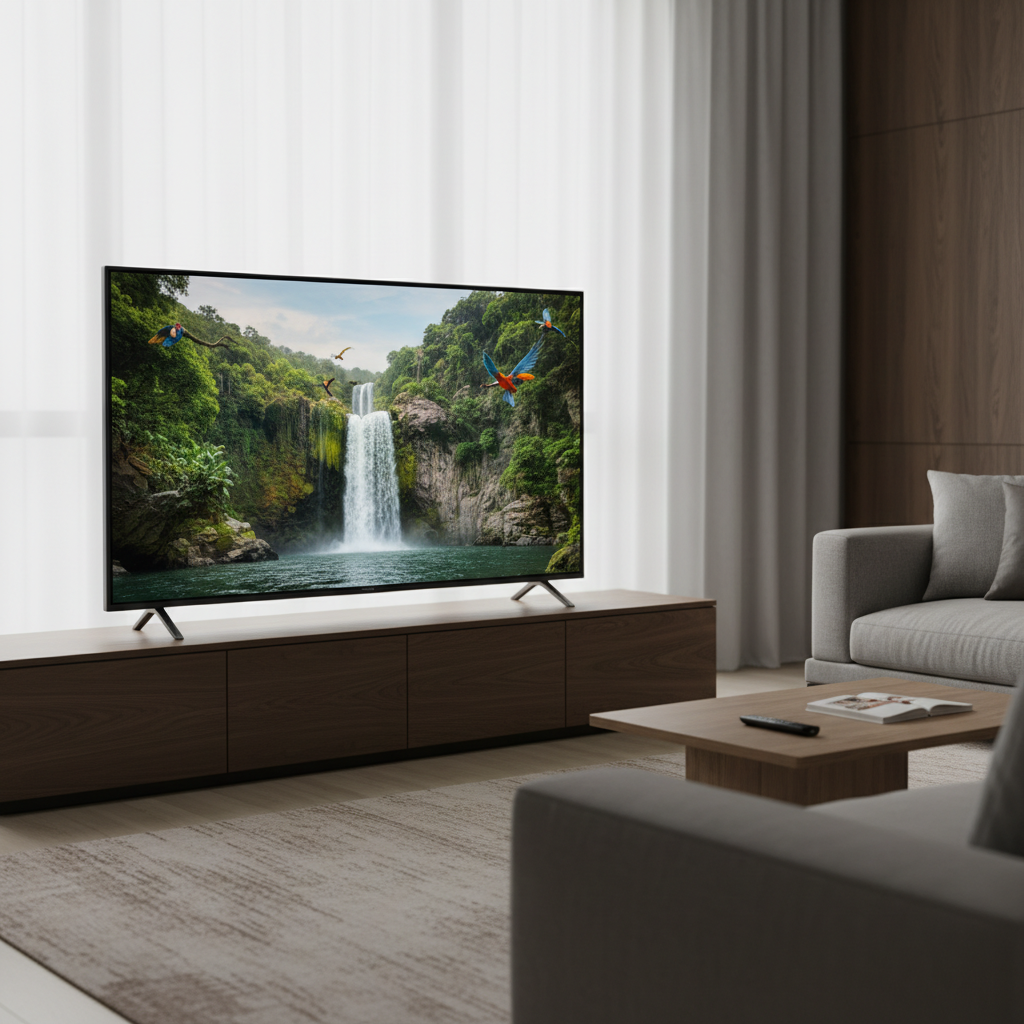
Investing in a high-quality television, especially a stunning 4K or OLED model, brings unparalleled viewing experiences right into your living room. But what happens when an unexpected power surge threatens to turn that investment into a costly repair or, worse, a total loss? Protecting your expensive TV from electrical fluctuations isn’t just a recommendation; it’s a necessity. This guide will walk you through everything you need to know about surge protectors, ensuring your prized entertainment centerpiece remains safe and sound for years to come.
Understanding Power Surges and Their Threat to Your TV
A power surge is a spike in your home’s electrical current that significantly exceeds the normal operating voltage. These sudden, intense bursts of electricity can occur in milliseconds, yet they carry enough destructive force to fry sensitive electronic components. Think of your TV’s intricate circuits as delicate pathways; a surge is like a sudden flood overwhelming them, potentially causing immediate damage or gradual degradation that shortens its lifespan.
Sources of these electrical spikes are more common than you might think. While lightning strikes are the most dramatic and often feared cause, they’re not the only culprit. More frequent, though less severe, surges can originate from utility grid fluctuations, the cycling of high-power appliances (like air conditioners or refrigerators) within your own home, or even issues with your home’s internal wiring. Expensive, modern TVs, with their sophisticated processors and intricate display technologies, are particularly vulnerable to these electrical assaults. Their advanced components are designed for precise voltage, making them highly susceptible to damage from even minor deviations.
How Do Surge Protectors Work?
At its core, a surge protector acts as a guardian for your electronics. It’s designed to monitor the incoming electrical current and, when it detects a voltage spike above a safe threshold, quickly diverts that excess electricity away from your connected devices and safely into your home’s grounding wire. This happens almost instantaneously, ensuring that your expensive TV and other equipment receive only the stable power they need.
The magic behind this protection often lies in components like Metal Oxide Varistors (MOVs) or Transient Voltage Suppressor (TVS) diodes. These components have a variable resistance: they maintain a high resistance under normal voltage, allowing electricity to pass through unimpeded. However, when a surge hits, their resistance dramatically drops, creating a path of least resistance for the excess energy to be shunted to the ground. This critical distinction sets a true surge protector apart from a simple power strip. A basic power strip merely expands the number of available outlets without offering any defense against voltage spikes. Always ensure the device you’re purchasing explicitly states “surge protector” and lists protective specifications.
Key Factors to Consider When Buying a Surge Protector for Your TV
Choosing the right surge protector means understanding a few crucial specifications. Don’t just grab the cheapest option; your expensive TV deserves robust protection.
Joule Rating: The Shield Strength
|
Our Picks for the Best 4K TV in 2026
As an Amazon Associate I earn from qualifying purchases.
|
||
| Num | Product | Action |
|---|---|---|
| 1 | Samsung 65-Inch Class Crystal UHD U8000F 4K Smart TV (2025 Model) Endless Free Content, Crystal Processor 4K, MetalStream Design, Knox Security, Alexa Built-in |

|
| 2 | Samsung 65-Inch Class QLED Q7F Series Samsung Vision AI Smart TV (2025 Model, 65Q7F) Quantum HDR, Object Tracking Sound Lite, Q4 AI Gen1 Processor, 4K upscaling, Gaming Hub, Alexa Built-in |
|
| 3 | INSIGNIA 43" Class F50 Series LED 4K UHD Smart Fire TV, Voice Remote with Alexa, Stream Live TV Without Cable |
|
| 4 | Samsung 55-Inch Class Crystal UHD U8000F 4K Smart TV (2025 Model) Endless Free Content, Crystal Processor 4K, MetalStream Design, Knox Security, Compatible with Alexa |
|
| 5 | Hisense 43" Class A7 Series (43A7NF, 2025 Model) 4K UHD Smart Fire TV, Voice Remote with Alexa, Wide Color Gamut, HDR10+, Dolby Vision, Dolby Atmos, Game Mode, ALLM, Stream Live TV Without Cable |
|
| 6 | Samsung 55-Inch Class QLED Q7F Series Samsung Vision AI Smart TV (2025 Model, 55Q7F) Quantum HDR, Object Tracking Sound Lite, Q4 AI Gen1 Processor, 4K upscaling, Gaming Hub, Alexa Built-in |
|
| 7 | TOSHIBA 43" Class C350 Series LED 4K UHD Smart Fire TV, Voice Remote with Alexa, Free & Live TV |
|
| 8 | Roku Smart TV – 55-Inch Select Series, 4K HDR TV – Roku TV with Enhanced Voice Remote – Flat Screen LED Television with Wi-Fi for Streaming Live Local News, Sports, Family Entertainment |
|
| 9 | TCL 55 Inch Class T7 Series | 4K QLED HDR | 55T7, 2025 Model | 120HZ Refresh Rate High Brightness Smart Google TV Dolby Atmos Audio | Voice Remote Alexa Gaming Streaming Television |
|
| 10 | INSIGNIA 50" Class F50 Series LED 4K UHD Smart Fire TV, Voice Remote with Alexa, Stream Live TV Without Cable |
|
The Joule rating is perhaps the most important specification, indicating how much energy a surge protector can absorb before it fails. Think of it as the protector’s “storage capacity” for excess energy. A higher Joule rating means greater protection and a longer lifespan for the surge protector itself, as it can withstand more or larger surges over time. For an expensive TV and its accompanying home theater setup, you should aim for a surge protector with a rating of at least 1,000 Joules. For premium protection, especially if you live in an area prone to electrical disturbances, consider models in the 2,000 to 4,000 Joule range. This investment translates directly into extended life for your valuable electronics.
Clamping Voltage: The Trigger Point
Clamping voltage refers to the specific voltage level at which the surge protector “kicks in” and begins to divert excess electricity. A lower clamping voltage indicates a faster response to surges, meaning the protector will activate sooner to shield your devices. For sensitive electronics like a 4K TV, a clamping voltage of 400 Volts or lower is ideal. This ensures that the protector reacts quickly enough to prevent even minor voltage spikes from reaching your television.
Response Time: The Speed of Defense
Measured in nanoseconds (ns), response time indicates how quickly a surge protector can detect and react to a power surge. In the world of electrical spikes, every nanosecond counts. A rapid response time is critical for preventing damage, as even the briefest exposure to excessive voltage can be harmful. Look for surge protectors that boast a response time of less than one nanosecond to provide the most effective and immediate defense for your sensitive electronics.
Number of Outlets and Port Types
Your TV setup likely involves more than just the television itself. Consider your soundbar, streaming devices, gaming consoles, Blu-ray players, and any other peripherals. A good surge protector should offer an ample number of AC outlets, typically ranging from 6 to 12, to accommodate all your components without needing additional power strips (which often lack surge protection). Many modern surge protectors also include USB-A and USB-C ports, which are incredibly convenient for charging smartphones, tablets, and other accessories directly, reducing clutter and freeing up AC outlets.
EMI/RFI Filtering: Clean Power, Clear Picture
Beyond raw surge protection, some advanced units offer Electromagnetic Interference (EMI) and Radio Frequency Interference (RFI) filtering. These features actively reduce “line noise” – electrical disturbances that can manifest as subtle static, hums, or visual artifacts on your screen. While not directly preventing damage from large surges, EMI/RFI filtering helps deliver cleaner power to your TV, potentially enhancing picture and sound quality and providing a more stable operating environment for your electronics.
Connected Equipment Warranty: Peace of Mind
For expensive electronics, a connected equipment warranty can be a game-changer. Many reputable surge protector manufacturers offer a warranty that not only covers defects in their product but also provides financial compensation for equipment damaged while properly connected to their surge protector, should it fail to protect against a surge. These warranties can range from tens of thousands to hundreds of thousands of dollars. Always read the terms and conditions carefully, but this feature offers an invaluable layer of financial security for your investment.
Safety Certifications and Build Quality
Always look for surge protectors that carry safety certifications from recognized testing laboratories like Underwriters Laboratories (UL) or Intertek (ETL). These certifications ensure the product meets stringent safety standards for electrical devices. Furthermore, examine the build quality: heavy-duty power cords are more durable and safer, and many quality surge protectors use fire-resistant plastics to minimize hazards in case of an extreme electrical event.
Form Factor and Design
The physical design of the surge protector might seem minor, but it can significantly impact usability. Consider models with widely spaced outlets or rotating plugs, which are invaluable for accommodating bulky power adapters without blocking adjacent outlets. Wall-mountable designs can help keep your entertainment area tidy, while a sufficiently long power cord ensures you can reach your wall outlet without straining or using extension cords, which are generally not recommended for high-power electronics.
Surge Protector vs. UPS: Which is Right for Your TV?
While a surge protector is essential, you might encounter another device: the Uninterruptible Power Supply (UPS). Understanding the difference is key to providing comprehensive protection.
A surge protector primarily defends against sudden voltage spikes. It’s your first line of defense against electrical surges that can damage or destroy your electronics.
A UPS (Uninterruptible Power Supply) goes a step further. It combines surge protection with battery backup functionality. This means that in addition to guarding against surges, a UPS can provide temporary power during a blackout or brownout (a dip in voltage). For an expensive TV setup, especially if you frequently experience power outages or live in an area with unstable power, a UPS offers superior protection. It ensures that your TV doesn’t suddenly shut down, which can sometimes corrupt operating systems or damage components, and allows you to properly power down your equipment. Many home theater enthusiasts and serious gamers opt for a UPS to safeguard their entire entertainment system, including their valuable 4K TV.
Top Brands and What They Offer
Several brands have established themselves as leaders in reliable surge protection. Companies like APC, Belkin, and Tripp Lite are consistently recommended for their robust offerings. These manufacturers typically provide a range of surge protectors with high Joule ratings, fast response times, and robust connected equipment warranties, offering peace of mind for your valuable electronics. Other notable brands include Bototek and Tapo, which offer competitive features including smart functionalities like Wi-Fi control and energy monitoring. When choosing, prioritize brands with a strong track record and clear specifications that match your protection needs.
Tips for Maximizing Your TV’s Protection
Even with the best surge protector, a few habits can further safeguard your expensive TV:
- Replace Old Protectors: Surge protectors degrade over time, especially after absorbing multiple surges. They don’t last forever. If your surge protector is several years old or has withstood significant electrical events, it’s wise to replace it. Many units have indicator lights that signal when the protection circuitry has worn out.
- Ensure Proper Grounding: For a surge protector to work effectively, it must be plugged into a properly grounded electrical outlet. Without a ground path, the excess electricity has nowhere to go. If you suspect your outlets aren’t properly grounded, consult a qualified electrician.
- Unplug During Severe Storms: While surge protectors offer excellent defense against most surges, no plug-in device can fully guarantee protection against a direct lightning strike. During severe thunderstorms, the safest course of action for truly expensive and sensitive equipment is to unplug them from the wall.
- Protect All Connected Components: Remember that your TV is part of an ecosystem. Your soundbar, gaming console, and other devices are also vulnerable. Connect all components of your entertainment system to the same surge protector for comprehensive protection.
“Many people underestimate the cumulative damage minor power fluctuations can inflict on modern electronics. A quality surge protector isn’t just for lightning storms; it’s a vital defense against daily wear and tear from an unstable power grid.” – Eleanor Vance, Electrical Engineering Consultant
Conclusion
Your expensive TV is a significant investment that deserves the best possible protection. Understanding the threats posed by power surges and knowing what to look for in a high-quality surge protector empowers you to make an informed decision. By prioritizing key features like a high Joule rating, low clamping voltage, and fast response time, along with considering a robust connected equipment warranty, you can significantly extend the life of your television and enjoy your favorite content without constant worry. Don’t let a preventable electrical incident turn your entertainment dreams into a nightmare. Equip your valuable TV with the defense it needs today. What steps will you take to safeguard your home entertainment system?
Câu Hỏi Thường Gặp
How many joules should a TV surge protector have?
For adequate protection of an expensive TV, a surge protector should have a joule rating of at least 1,000 joules. However, for enhanced safety and longevity, especially with high-end 4K or OLED TVs, aim for models offering 2,000 to 4,000 joules.
Can a surge protector protect against lightning strikes?
While surge protectors offer excellent protection against most power surges, including those caused by nearby lightning strikes, they cannot guarantee protection against a direct lightning strike to your home. For ultimate safety during severe storms, it’s always best to unplug valuable electronics.
How often should I replace my surge protector?
Surge protectors degrade over time as they absorb electrical surges. There isn’t a fixed lifespan, but many experts recommend replacing them every 3-5 years, or immediately after they’ve protected against a significant power event. Look for indicator lights on your surge protector that show its protection status.
Is a power strip the same as a surge protector?
No, a power strip is not the same as a surge protector. A basic power strip only provides additional electrical outlets. A true surge protector explicitly contains circuitry designed to divert excess voltage during a power surge, actively protecting connected devices. Always confirm the device specifies “surge protection.”
What is clamping voltage?
Clamping voltage is the specific voltage level at which a surge protector activates and begins to divert excess electricity to the ground. A lower clamping voltage is desirable because it means the protector will react more quickly to surges, offering better and faster protection for sensitive electronics like your TV. Aim for 400 Volts or less.