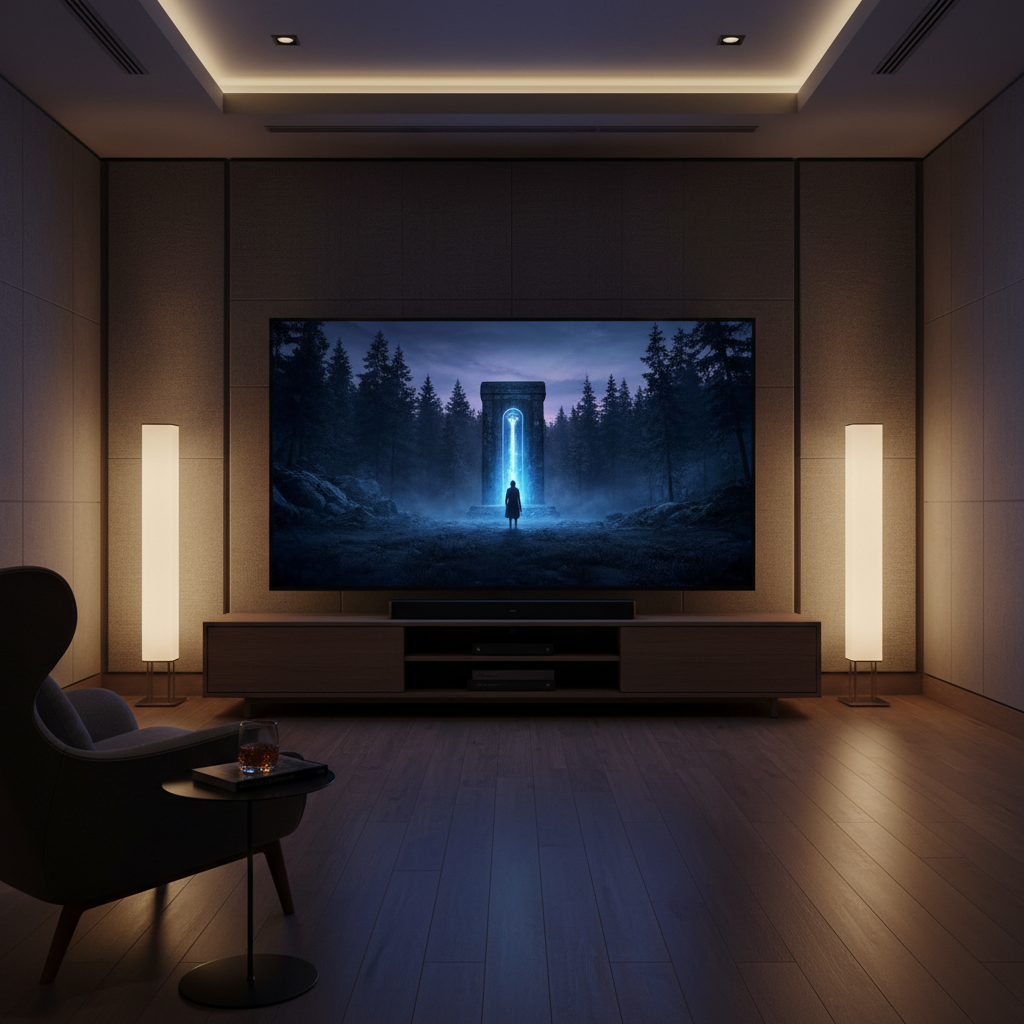
Stepping into the world of 4K TV doesn’t have to mean breaking the bank. For many, finding an affordable television that still delivers a vibrant, immersive viewing experience is the ultimate goal. If you’re a savvy shopper looking to elevate your home entertainment without the premium price tag, the Akai 4K Fire TV series presents itself as a compelling budget choice, offering impressive features powered by Amazon’s intuitive Fire TV operating system. This review delves into whether Akai’s offering lives up to the promise of budget-friendly 4K brilliance, helping you decide if it’s the right fit for your living space.
Essential Considerations When Purchasing a 4K TV
Choosing a new television involves navigating a sea of technical specifications and marketing jargon. Understanding the core elements that contribute to a great viewing experience is crucial, especially when evaluating budget-friendly options like the Akai 4K Fire TV. Let’s break down the key factors to consider.
What is 4K Resolution and Why Does It Matter?
|
Our Picks for the Best 4K TV in 2026
As an Amazon Associate I earn from qualifying purchases.
|
||
| Num | Product | Action |
|---|---|---|
| 1 | TCL 55 Inch Class T7 Series | 4K QLED HDR | 55T7, 2025 Model | 120HZ Refresh Rate High Brightness Smart Google TV Dolby Atmos Audio | Voice Remote Alexa Gaming Streaming Television |

|
| 2 | Samsung 55-Inch Class QLED Q7F Series Samsung Vision AI Smart TV (2025 Model, 55Q7F) Quantum HDR, Object Tracking Sound Lite, Q4 AI Gen1 Processor, 4K upscaling, Gaming Hub, Alexa Built-in |
|
| 3 | TOSHIBA 43" Class C350 Series LED 4K UHD Smart Fire TV, Voice Remote with Alexa, Free & Live TV |
|
| 4 | INSIGNIA 43" Class F50 Series LED 4K UHD Smart Fire TV, Voice Remote with Alexa, Stream Live TV Without Cable |
|
| 5 | Roku Smart TV – 55-Inch Select Series, 4K HDR TV – Roku TV with Enhanced Voice Remote – Flat Screen LED Television with Wi-Fi for Streaming Live Local News, Sports, Family Entertainment |
|
| 6 | Samsung 55-Inch Class Crystal UHD U8000F 4K Smart TV (2025 Model) Endless Free Content, Crystal Processor 4K, MetalStream Design, Knox Security, Compatible with Alexa |
|
| 7 | Samsung 65-Inch Class Crystal UHD U8000F 4K Smart TV (2025 Model) Endless Free Content, Crystal Processor 4K, MetalStream Design, Knox Security, Alexa Built-in |
|
| 8 | INSIGNIA 50" Class F50 Series LED 4K UHD Smart Fire TV, Voice Remote with Alexa, Stream Live TV Without Cable |
|
| 9 | Hisense 43" Class A7 Series (43A7NF, 2025 Model) 4K UHD Smart Fire TV, Voice Remote with Alexa, Wide Color Gamut, HDR10+, Dolby Vision, Dolby Atmos, Game Mode, ALLM, Stream Live TV Without Cable |
|
| 10 | Samsung 65-Inch Class QLED Q7F Series Samsung Vision AI Smart TV (2025 Model, 65Q7F) Quantum HDR, Object Tracking Sound Lite, Q4 AI Gen1 Processor, 4K upscaling, Gaming Hub, Alexa Built-in |
|
4K resolution, also known as Ultra High Definition (UHD), refers to a display standard with 3840 horizontal pixels and 2160 vertical pixels, totaling over 8 million pixels. This is four times the pixel count of a Full HD (1920 x 1080) screen, which has just over 2 million pixels. The significant increase in pixels means a much sharper, more detailed image, allowing viewers to sit closer to the screen without noticing individual pixels.
The importance of 4K lies in its ability to deliver unparalleled clarity and depth to your content. Whether you’re streaming the latest blockbusters, playing high-fidelity video games, or simply watching your favorite shows, a 4K display renders every scene with remarkable precision. For budget 4K TVs like the Akai Fire TV, this means you can access a truly modern visual standard at a more accessible price point, transforming your viewing without demanding a premium investment.
Choosing the Right Screen Size
Selecting the ideal screen size for your 4K TV is about balancing immersion with practicality, ensuring the television fits comfortably within your room and viewing distance. Akai 4K Fire TVs are typically available in popular sizes such as 43, 50, and 55 inches, catering to various room dimensions and preferences.
To determine the best size, measure the distance from your primary viewing spot to where the TV will be located. For 4K TVs, a general guideline suggests a viewing distance of 1 to 1.5 times the screen size (measured diagonally). For example, a 55-inch Akai 4K Fire TV would be ideal for a viewing distance between 55 to 82.5 inches (approximately 4.5 to 7 feet). A larger screen often enhances the immersive quality of 4K content, making details more apparent and the overall experience more cinematic. However, ensure the size doesn’t overwhelm the room or cause discomfort from being too close.
Decoding Display Technologies: LED, OLED, QLED
The Akai 4K Fire TV series utilizes an A+ Grade LED panel, which is a common and cost-effective display technology for budget televisions. LED (Light Emitting Diode) TVs use an LCD panel backlit by LEDs. While not offering the self-emissive pixels of OLED or the quantum dot color enhancement of QLED, a well-implemented A+ Grade LED panel can still deliver good picture quality, especially with modern processing.
- LED: Offers good brightness and energy efficiency, making it suitable for most viewing environments. Akai’s use of A+ Grade panels aims for higher quality control and better uniformity.
- OLED: (Organic Light Emitting Diode) is renowned for perfect blacks, infinite contrast, and wide viewing angles because each pixel generates its own light. This technology typically comes at a higher price point.
- QLED: (Quantum Dot LED) TVs enhance traditional LED panels with a quantum dot layer to produce brighter, more vibrant colors and improved contrast. Akai also offers 4K QLED Google TVs, but these are distinct from their 4K Fire TV lineup.
For a budget 4K Fire TV, Akai’s LED panel is designed to provide a respectable viewing experience, making 4K accessible while managing costs by not incorporating the more expensive OLED or QLED technologies.
High Dynamic Range (HDR) Capabilities
High Dynamic Range (HDR) is a critical feature for modern 4K TVs, significantly enhancing the contrast and color accuracy of compatible content. HDR allows a television to display a wider range of brightness levels and a broader spectrum of colors than standard dynamic range (SDR). This results in images that appear more lifelike, with brighter whites, deeper blacks, and more nuanced shades in between.
The Akai 4K Fire TV series supports multiple HDR formats, including Dolby Vision, HDR10, and HLG (Hybrid Log-Gamma). Dolby Vision is often considered a premium HDR format, using dynamic metadata to optimize picture quality scene by scene. HDR10 is a widely adopted open standard, while HLG is commonly used for broadcast HDR content. The inclusion of these HDR capabilities, particularly Dolby Vision, is a significant advantage for a budget 4K TV, ensuring you can enjoy a more vibrant and immersive viewing experience when watching compatible movies and shows on streaming services.
Understanding Refresh Rate
The refresh rate of a television, measured in Hertz (Hz), indicates how many times the image on the screen is updated per second. A higher refresh rate generally results in smoother motion, which is particularly beneficial for fast-paced content like sports, action movies, and video games. The Akai 4K Fire TV series features a 60Hz refresh rate.
For most standard viewing, including movies, TV shows, and casual gaming, a 60Hz refresh rate is perfectly adequate and delivers a fluid experience. While some premium TVs offer 120Hz or higher for ultra-smooth motion, especially beneficial for competitive gaming, 60Hz remains the standard for budget 4K televisions. Akai’s choice of a 60Hz panel helps keep the cost down while still providing a solid performance for everyday entertainment needs.
Connectivity Ports and Smart Features
A modern 4K TV is the hub of your home entertainment system, and comprehensive connectivity options are essential. The Akai 4K Fire TV typically includes multiple HDMI ports (often three), allowing you to connect various devices such as gaming consoles, Blu-ray players, and soundbars. It also usually features USB ports (at least one) for playing media from external drives or connecting peripherals.
Beyond physical ports, the Akai 4K Fire TV excels with its integrated Fire TV OS. This smart TV platform provides a streamlined and user-friendly interface, offering instant access to a vast library of streaming services like Prime Video, Netflix, Disney+ Hotstar, YouTube, and Apple TV, along with thousands of other apps from the Fire TV Appstore. A key highlight is the built-in Alexa voice controls, allowing you to search for content, control playback, launch apps, and manage smart home devices simply by speaking into the remote. Other convenient features include DTH Set-Top Box Integration (in some regions) for seamless switching between traditional channels and OTT apps, dual-band Wi-Fi for reliable internet connectivity, and Bluetooth for connecting wireless headphones or other audio devices. These smart features collectively enhance the overall user experience, making the Akai 4K Fire TV a versatile and convenient choice.
Akai 4K Fire TV: Key Features at a Glance
For those seeking an affordable entry into the 4K ecosystem, the Akai 4K Fire TV offers a blend of essential features and smart capabilities. Here’s a summary of what to expect from this budget-friendly option:
| Feature | Akai 4K Fire TV (Budget Choice) |
|---|---|
| Resolution | 4K Ultra HD (3840 x 2160 pixels) |
| Screen Sizes | 43-inch, 50-inch, 55-inch |
| Display Technology | A+ Grade LED Panel |
| HDR Support | Dolby Vision, HDR10, HLG |
| Refresh Rate | 60Hz |
| Smart OS | Fire TV OS with built-in Alexa Voice Controls |
| Connectivity | 3 x HDMI ports, 1 x USB port, Dual-band Wi-Fi, Bluetooth, Ethernet |
| Audio Output | 20W with Dolby Audio & DTS Tru Surround (typical for Akai Fire TV series) |
| Processor | Amlogic 9th Generation Imaging Engine |
| Key Benefits | Affordable 4K UHD, comprehensive HDR support, intuitive Fire TV experience, extensive app library, voice control, decent panel for the price, wide viewing angles. |
| Considerations | Standard 60Hz refresh rate (not ideal for hardcore gamers), average built-in sound (external soundbar recommended), upscaling of non-4K content may be limited compared to premium TVs. |
| Typical Price Range | Starting around Rs. 41,999 (approx. $500 USD, launched Feb 2022) |
Tips for Choosing the Right 4K TV for Your Needs
Navigating the television market can be complex, but with a clear understanding of your priorities, you can confidently select a 4K TV that aligns with your budget and lifestyle.
Define Your Usage Needs
Before you start browsing, consider how you’ll primarily use your Akai 4K Fire TV. Are you a movie buff who prioritizes cinematic picture quality and HDR performance? A gamer needing minimal input lag and smooth motion? Or perhaps you mostly stream casual content and value a user-friendly smart interface?
If you mainly watch movies and TV shows, the Akai 4K Fire TV’s Dolby Vision and HDR10 support will be beneficial, bringing out stunning visuals in compatible content. For casual gaming, the 60Hz refresh rate is sufficient, but serious gamers might desire a higher refresh rate. If ease of use and access to streaming apps are paramount, the integrated Fire TV OS and Alexa voice control make the Akai an attractive option for everyday family entertainment. Identifying these needs will help you weigh the Akai’s strengths and weaknesses against your specific requirements.
Research and Compare Different TV Models
Even within the budget 4K segment, options exist. While the Akai 4K Fire TV stands out for its integrated Fire OS, it’s wise to compare its specifications and user reviews with other entry-level 4K smart TVs from brands like Amazon’s own Fire TV Omni or Insignia Fire TV editions, or even other Akai models like their 4K QLED Google TVs if you’re open to different operating systems.
Look beyond just the price tag. Evaluate the display type, HDR compatibility, smart platform features, connectivity options, and reported sound quality. Online reviews from both experts and everyday users can offer invaluable insights into real-world performance, common issues, and overall satisfaction. Visiting a store to see the picture quality in person can also be very helpful, allowing you to gauge brightness, color vibrancy, and viewing angles firsthand.
Thoroughly Inspect the TV Before Purchase
Once you’ve narrowed down your choice to an Akai 4K Fire TV, a final inspection can save you from potential headaches. If purchasing from a physical store, ask for the TV to be powered on and check for any physical damage like scratches, dents, or dead pixels on the screen. It’s also wise to test the functionality of all ports (HDMI, USB) to ensure they are working correctly.
If buying online, ensure the retailer has a clear and hassle-free return policy. Upon delivery, carefully unbox and inspect the TV for any transit damage before setting it up. Running a quick test with various types of content—from 4K HDR movies to standard definition shows—can give you a good idea of its overall performance and whether it meets your expectations right out of the box.
Akai 4K Fire TV Buying Guide: Making an Informed Decision
Choosing a 4K TV means balancing advanced features with your budget, and the Akai 4K Fire TV offers a compelling proposition for cost-conscious consumers. Here’s a concise guide to help you decide.
When considering the Akai 4K Fire TV, prioritize its core strengths: accessible 4K resolution, robust HDR support (including Dolby Vision), and the user-friendly Fire TV OS with Alexa integration. These features deliver a significant upgrade from Full HD TVs at an attractive price point, making it an excellent choice for general home entertainment.
For movie and TV show enthusiasts, the 4K resolution combined with Dolby Vision and HDR10 will provide a visually rich experience. The Akai’s Amlogic 9th Generation Imaging Engine helps enhance picture quality, offering vibrant colors and decent contrast for an LED panel. While the built-in sound (typically 20W with Dolby Audio) is acceptable, serious viewers might consider adding a soundbar to complement the visual fidelity.
Casual gamers will find the 60Hz refresh rate adequate for most titles, delivering smooth gameplay without excessive motion blur. The Fire TV OS provides easy access to gaming apps and streaming services. However, competitive gamers seeking ultra-low input lag and higher refresh rates for high-performance consoles might need to explore higher-tier televisions.
If your budget is strict but you don’t want to compromise on the 4K experience and smart TV capabilities, the Akai 4K Fire TV emerges as a strong contender. Its price point positions it favorably against more expensive brands, offering a comprehensive feature set for everyday use.
“For budget-conscious consumers, the Akai 4K Fire TV hits a sweet spot by combining a true 4K panel with the intuitive Fire TV ecosystem, which is a powerful combination often found in higher price brackets.” – ReviewDN.com Admin, TV Technology Expert
Remember to assess your viewing environment and intended use. The Akai 4K Fire TV series offers various sizes, allowing you to select one that fits your space without overpowering it. While Akai also manufactures 4K QLED Google TVs, if the Amazon Fire TV ecosystem and Alexa voice control are crucial for you, the Akai 4K Fire TV remains the go-to budget option.
Conclusion
The Akai 4K Fire TV stands out as a strong budget contender for anyone eager to embrace the clarity and vibrancy of 4K Ultra HD without a hefty investment. Its combination of a sharp 4K LED panel, comprehensive HDR support (including Dolby Vision), and the seamless, voice-controlled Fire TV operating system delivers a feature-rich experience at an accessible price point. While it may not offer the peak performance of premium OLED or QLED displays, it provides remarkable value, especially for streaming and everyday entertainment.
Ultimately, if you prioritize smart functionality, ease of use, and a solid 4K picture on a budget, the Akai 4K Fire TV is a choice well worth considering. Are you ready to upgrade your viewing experience with Akai’s budget-friendly 4K Fire TV?
Frequently Asked Questions
What makes the Akai 4K Fire TV a “budget choice”?
The Akai 4K Fire TV is considered a budget choice primarily due to its competitive pricing, offering 4K Ultra HD resolution, comprehensive HDR support (including Dolby Vision), and a fully integrated Fire TV operating system at a significantly lower cost compared to many established brands. This affordability makes advanced TV technology accessible to a wider audience.
Does the Akai 4K Fire TV support all major streaming apps?
Yes, the Akai 4K Fire TV, running on the Fire TV OS, provides access to a vast array of streaming applications. This includes popular services like Prime Video, Netflix, Disney+ Hotstar, YouTube, Apple TV, and thousands more available through the Fire TV Appstore, ensuring you have a wide selection of content.
Is the sound quality on the Akai 4K Fire TV sufficient, or do I need a soundbar?
While the Akai 4K Fire TV typically comes with 20W speakers supporting Dolby Audio and DTS Tru Surround, built-in TV speakers on budget models are generally adequate for casual viewing. For a truly immersive audio experience, especially with movies and music, investing in an external soundbar or home theater system is highly recommended.
Can I connect my gaming console to the Akai 4K Fire TV?
Absolutely. The Akai 4K Fire TV is equipped with multiple HDMI ports, allowing you to easily connect gaming consoles such as PlayStation, Xbox, or Nintendo Switch. Its 60Hz refresh rate is suitable for most gaming, providing a smooth experience for casual and many mainstream titles.
What’s the difference between Akai 4K Fire TV and Akai 4K Google TV?
The main difference lies in their operating systems and display technologies. Akai 4K Fire TVs run Amazon’s Fire TV OS and typically feature LED panels. In contrast, Akai also offers 4K QLED Google TVs, which utilize Quantum Dot LED technology for enhanced color and brightness, and run on Google’s Android TV platform with Google Assistant. Both offer 4K, but cater to different smart TV ecosystem preferences.