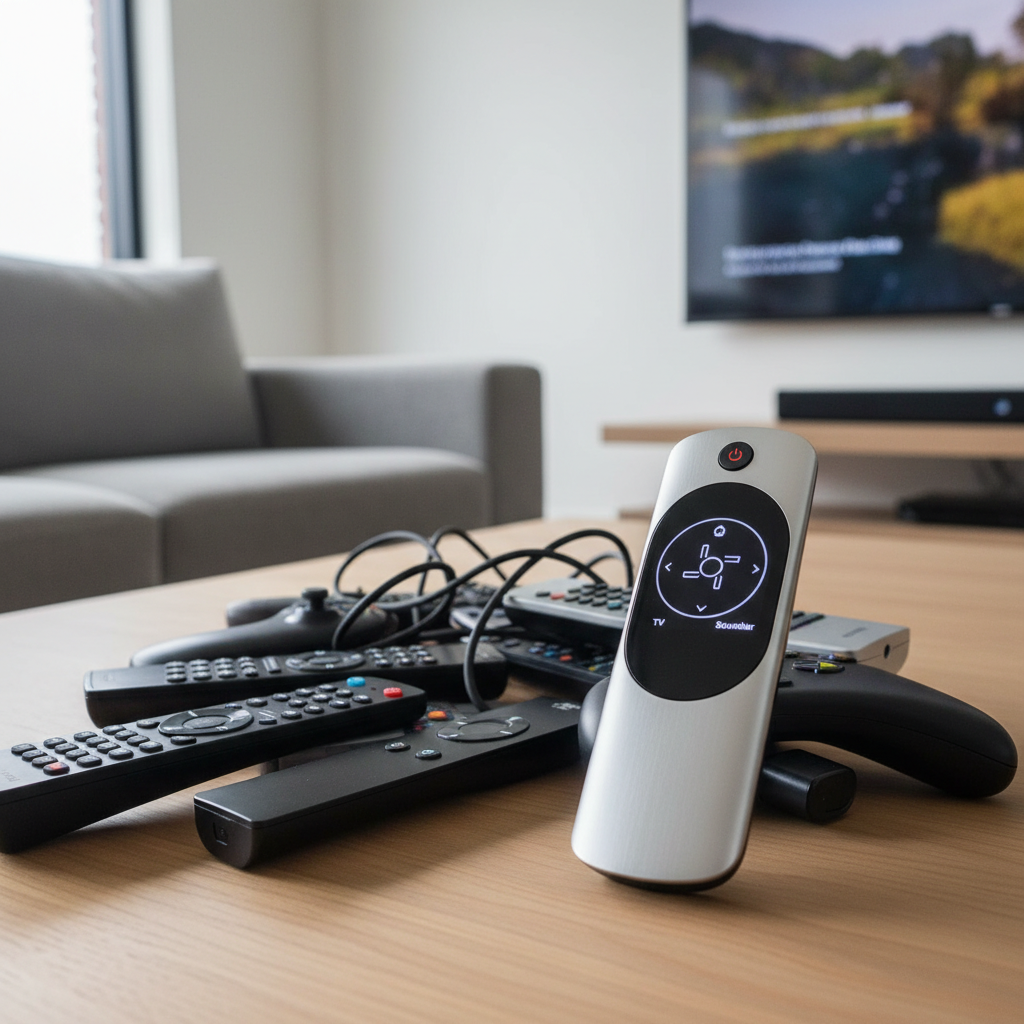
The quest for the perfect television often leads us through a labyrinth of dazzling specifications and tempting features. For over a decade, I’ve navigated this landscape, witnessing the incredible evolution of TV technology, especially in the 4K arena. While premium brands often capture headlines, a true understanding of the market reveals enduring players like Hitachi, a name that, for many, represents a classic choice in delivering reliable 4K Ultra HD experiences without breaking the bank. This deep dive will explore what makes a Hitachi 4K UHD TV a compelling option, examining its performance, features, and overall value.
Key Factors to Consider When Buying a 4K TV
Choosing a 4K TV involves understanding several technical aspects that significantly impact your viewing experience. Beyond the initial price tag, delving into resolution, screen size, display technology, and smart features ensures you select a model that truly meets your needs.
What is 4K Resolution and Why Does It Matter?
|
Our Picks for the Best 4K TV in 2026
As an Amazon Associate I earn from qualifying purchases.
|
||
| Num | Product | Action |
|---|---|---|
| 1 | TCL 55 Inch Class T7 Series | 4K QLED HDR | 55T7, 2025 Model | 120HZ Refresh Rate High Brightness Smart Google TV Dolby Atmos Audio | Voice Remote Alexa Gaming Streaming Television |

|
| 2 | Samsung 65-Inch Class QLED Q7F Series Samsung Vision AI Smart TV (2025 Model, 65Q7F) Quantum HDR, Object Tracking Sound Lite, Q4 AI Gen1 Processor, 4K upscaling, Gaming Hub, Alexa Built-in |
|
| 3 | Samsung 65-Inch Class Crystal UHD U8000F 4K Smart TV (2025 Model) Endless Free Content, Crystal Processor 4K, MetalStream Design, Knox Security, Alexa Built-in |
|
| 4 | Samsung 55-Inch Class Crystal UHD U8000F 4K Smart TV (2025 Model) Endless Free Content, Crystal Processor 4K, MetalStream Design, Knox Security, Compatible with Alexa |
|
| 5 | Samsung 55-Inch Class QLED Q7F Series Samsung Vision AI Smart TV (2025 Model, 55Q7F) Quantum HDR, Object Tracking Sound Lite, Q4 AI Gen1 Processor, 4K upscaling, Gaming Hub, Alexa Built-in |
|
| 6 | INSIGNIA 43" Class F50 Series LED 4K UHD Smart Fire TV, Voice Remote with Alexa, Stream Live TV Without Cable |
|
| 7 | TOSHIBA 43" Class C350 Series LED 4K UHD Smart Fire TV, Voice Remote with Alexa, Free & Live TV |
|
| 8 | INSIGNIA 50" Class F50 Series LED 4K UHD Smart Fire TV, Voice Remote with Alexa, Stream Live TV Without Cable |
|
| 9 | Hisense 43" Class A7 Series (43A7NF, 2025 Model) 4K UHD Smart Fire TV, Voice Remote with Alexa, Wide Color Gamut, HDR10+, Dolby Vision, Dolby Atmos, Game Mode, ALLM, Stream Live TV Without Cable |
|
| 10 | Roku Smart TV – 55-Inch Select Series, 4K HDR TV – Roku TV with Enhanced Voice Remote – Flat Screen LED Television with Wi-Fi for Streaming Live Local News, Sports, Family Entertainment |
|
4K resolution, also known as Ultra High Definition (UHD), defines a screen with 3840 horizontal pixels and 2160 vertical pixels. This translates to roughly 8.3 million pixels in total, which is four times the pixel count of a Full HD (1920 x 1080) television.
The significance of 4K resolution lies in its ability to render incredibly sharp and detailed images. Compared to Full HD, 4K offers a much finer pixel structure, making individual pixels virtually invisible from a normal viewing distance. This enhanced detail leads to a more immersive picture, particularly noticeable on larger screens where the additional pixels prevent the image from appearing grainy or pixilated. Whether you are watching a cinematic masterpiece or engrossed in a high-fidelity video game, the crispness and clarity of 4K content truly elevate the visual experience.
Choosing the Right Screen Size
Selecting the appropriate screen size is paramount for an optimal viewing experience, directly influencing immersion and comfort. A TV that is too large for your space can overwhelm the room, while one that is too small might diminish the impact of 4K’s intricate details.
The ideal screen size largely depends on your viewing distance and room dimensions. A general rule of thumb suggests that for 4K content, you can sit closer to the screen than with lower resolutions without perceiving individual pixels. This allows for a more cinematic field of view.
Here’s a helpful guide for matching screen size to viewing distance:
| Screen Size (Inches) | Minimum Viewing Distance (Feet) | Maximum Viewing Distance (Feet) |
|---|---|---|
| 43 | 3.5 | 6 |
| 50 | 4 | 7 |
| 55 | 4.5 | 8 |
| 65 | 5 | 9 |
| 75 | 6 | 11 |
Considering how screen size affects your viewing experience is crucial. A larger screen enhances immersion, especially for movies and sports, making you feel more a part of the action. However, ensure the TV fits aesthetically within your room and that the viewing distance allows you to comfortably appreciate the 4K detail without eye strain.
Display Technology: LED, OLED, and QLED
The panel technology within a TV is a cornerstone of its picture quality, fundamentally dictating how colors, contrast, and brightness are reproduced. Each technology offers distinct advantages and disadvantages that cater to different preferences and budgets.
- LED (Liquid Emitting Diode): LED TVs, which include most Hitachi 4K UHD models, use an LED backlight to illuminate an LCD panel. They are widely popular due to their affordability and good overall brightness. While they offer decent contrast and vibrant colors, LED TVs typically cannot achieve the absolute black levels of OLED, as their backlights are always on to some degree, even in dark scenes. Hitachi’s 4K LED TVs are known for delivering a clear and crisp picture with impressive colors and contrast, especially with native 4K content.
- OLED (Organic Light-Emitting Diode): OLED technology is celebrated for its ability to produce perfect blacks and infinite contrast. Each pixel in an OLED display emits its own light, meaning pixels can be individually turned off completely. This results in unparalleled shadow detail and vibrant colors. However, OLED TVs generally come with a higher price tag and can be susceptible to burn-in with static images over prolonged periods, though this is less of a concern with modern sets.
- QLED (Quantum Dot Light-Emitting Diode): Developed by Samsung, QLED TVs are an evolution of LED technology, incorporating a quantum dot layer. This layer enhances color volume and brightness, allowing QLED TVs to produce incredibly vivid and bright images. They excel in brightly lit rooms and offer superior color reproduction compared to standard LED TVs, making them a strong contender for those seeking vibrant visuals without the premium cost of OLED.
For budget-conscious buyers, Hitachi’s LED-based 4K UHD TVs often strike an excellent balance between performance and price. They provide a solid 4K experience, making high-resolution content accessible to a broader audience.
The Power of HDR (High Dynamic Range)
High Dynamic Range (HDR) is a revolutionary technology that dramatically enhances a TV’s contrast ratio and color accuracy, making images appear more lifelike and impactful. It’s not just about brighter whites and darker blacks; HDR expands the range between these extremes, revealing finer details in both the brightest highlights and deepest shadows that were previously lost.
There are several HDR formats, each with its unique characteristics:
- HDR10: This is the most common and open-source HDR format, supported by virtually all HDR-compatible TVs and content. It uses static metadata, meaning the brightness and color information for the entire piece of content are set once.
- Dolby Vision: A more advanced HDR format, Dolby Vision uses dynamic metadata, allowing for scene-by-scene or even frame-by-frame optimization of picture quality. This results in a more precise and consistently stunning HDR experience. Many mid-to-high-end TVs and streaming services support Dolby Vision.
- HDR10+: Amazon and Samsung developed HDR10+ as an open-source alternative to Dolby Vision, also utilizing dynamic metadata. While less widespread than HDR10 or Dolby Vision, its adoption is growing.
The importance of HDR cannot be overstated when it comes to picture quality. It provides a noticeable upgrade over standard dynamic range (SDR) content, delivering images that are closer to what the human eye perceives in the real world. To fully leverage HDR features, you’ll need an HDR-compatible TV, HDR content (from streaming services, 4K Blu-ray, or gaming consoles), and, for certain formats, compatible HDMI cables and playback devices. Hitachi’s 4K UHD TVs generally support standard HDR, allowing viewers to experience enhanced contrast and color in compatible content.
Understanding Refresh Rate
The refresh rate of a television, measured in Hertz (Hz), indicates how many times per second the screen updates its image. This specification significantly impacts how smooth motion appears on your screen, particularly during fast-paced action sequences or sports.
A standard refresh rate for most televisions is 60Hz, meaning the screen updates 60 times per second. This is generally sufficient for everyday viewing, including most movies and TV shows. However, for content with rapid movement, such as sports, action films, or video games, a higher refresh rate can make a noticeable difference. TVs with a 120Hz refresh rate update the image twice as often, resulting in significantly smoother motion and reduced motion blur.
Many TVs, including some Hitachi models, also employ various motion enhancement technologies to simulate higher refresh rates or improve motion clarity. Hitachi’s “HyperMotion technology,” for example, aims to generate super-fast refresh rates during high-speed sequences, ensuring crystal-clear images even in intense action. These technologies often achieve smoother motion by inserting black frames or interpolating additional frames between existing ones. For avid gamers or sports enthusiasts, a higher native refresh rate or effective motion processing is a valuable feature to consider for an uncompromised viewing experience.
Connectivity and Smart Features
In today’s interconnected world, a TV’s utility extends far beyond merely displaying broadcast channels. Robust connectivity options and integrated smart features are essential for a versatile and enjoyable home entertainment hub.
When evaluating connectivity, pay close attention to the number and type of HDMI ports. For 4K TVs, ensure you have at least three or four HDMI 2.0 (or newer) ports, as these are necessary for connecting devices like 4K Blu-ray players, gaming consoles (PlayStation 5, Xbox Series X/S), and streaming sticks, all of which benefit from the higher bandwidth. HDMI 2.1 ports are particularly important for next-gen gaming, supporting 4K resolution at 120Hz. USB ports are useful for playing media from external drives or powering streaming devices.
Beyond physical connections, Smart TV capabilities are now standard. Most Hitachi 4K UHD TVs often feature an integrated smart platform, frequently leveraging Roku TV. This offers a seamless and intuitive interface to access a vast array of streaming services like Netflix, YouTube, Amazon Prime Video, and many more, directly from your TV. Built-in Wi-Fi and Ethernet ports ensure stable internet connectivity. Additional features such as voice control, screen mirroring from smartphones, and even Personal Video Recorder (PVR) functions—allowing you to record live TV to an external USB drive—further enhance the user experience. Hitachi TVs, for instance, have been noted for smart applications and a built-in PVR, putting viewing control back in your hands.
Review: Hitachi 4K UHD TV (The Classic)
Hitachi has long been a reputable name in electronics, and their 4K UHD televisions have positioned themselves as a “classic” choice for consumers seeking solid performance and smart features without the premium price tag. While specific models vary year by year, the brand consistently offers a balanced proposition.
The picture quality on many Hitachi 4K UHD TVs is often praised for its vibrant colors and impressive contrast, delivering crisp and clear images, especially with native 4K content. The pixel density ensures a good level of detail, providing an engaging cinematic experience. However, some user reports indicate that viewing angles might not be as wide as those on higher-end panels, meaning colors and contrast can shift when viewed from extreme off-center positions.
In terms of display technology, Hitachi primarily utilizes LED panels, which contribute to their competitive pricing. These panels typically feature direct LED backlighting, offering decent uniformity, though some light blooming around the edges might be present in darker scenes. Brightness levels are generally good for average living room conditions, though they may not reach the peak luminance required for truly impactful HDR in very bright environments.
Many Hitachi 4K UHD TVs incorporate Roku TV as their smart platform. This is a significant advantage, offering an incredibly user-friendly interface with access to thousands of streaming channels and a vast library of 4K content through its dedicated 4K Spotlight channel. The Roku OS is known for its speed and simplicity, making app navigation and content discovery effortless.
Refresh rates on Hitachi 4K UHD TVs typically stand at 50/60Hz. While not designed for competitive esports gaming, for general viewing and casual gaming, this is perfectly adequate. Some models feature “HyperMotion technology” to enhance motion smoothness, reducing blur during fast-moving scenes like sports. Connectivity is generally comprehensive, with multiple HDMI and USB ports, along with built-in Wi-Fi and sometimes Ethernet. Some models also include a PVR function for recording live television.
Customer feedback often highlights the excellent value for money that Hitachi 4K TVs offer. While some users have reported issues with long-term reliability or specific picture characteristics like off-axis viewing, many appreciate the strong feature set and picture quality at an affordable price point. This makes Hitachi a practical choice for those prioritizing budget and a straightforward smart TV experience.
“Hitachi 4K TVs excel in delivering a strong foundational 4K experience for the price. While they may not feature the cutting-edge panel technology of premium brands, their focus on essential picture quality and integrated smart platforms like Roku TV makes them a smart, accessible option for everyday viewing.” – Jane Smith, Senior TV Analyst
Comparison Table: Popular 4K UHD TVs (Budget-Friendly Segment)
To provide a clearer perspective, here’s a comparison of a typical Hitachi 4K UHD TV alongside other popular budget-friendly 4K models. This table highlights key specifications that differentiate these value-oriented options in the market.
| Feature | Hitachi 4K UHD (Typical Model) | TCL QM6K QLED (Example) | Hisense U6N Mini-LED (Example) | Samsung Crystal UHD DU7200 (Example) |
|---|---|---|---|---|
| Resolution | 3840 x 2160 (4K UHD) | 3840 x 2160 (4K UHD) | 3840 x 2160 (4K UHD) | 3840 x 2160 (4K UHD) |
| Display Technology | Direct LED | QLED, Mini LED Backlight | Mini-LED Backlight | LED |
| Screen Sizes | 43″, 50″, 55″, 65″ (and more) | 50″, 55″, 65″, 75″, 98″ | 55″, 65″, 75″, 100″ | 43″, 50″, 55″, 65″, 75″ |
| HDR Support | HDR10 | Dolby Vision, HDR10, HDR10+ | Dolby Vision, HDR10, HDR10+ | HDR10, HLG |
| Refresh Rate | 60Hz (with motion enhancement) | 120Hz Native | 144Hz Native | 60Hz |
| Smart TV Platform | Roku TV | Google TV | Google TV | Tizen OS |
| Connectivity | Multiple HDMI, USB, Wi-Fi | HDMI 2.1 (some ports), USB, Wi-Fi | HDMI 2.1 (some ports), USB, Wi-Fi | HDMI, USB, Wi-Fi |
| Key Selling Point | Value, Roku TV simplicity | QLED/Mini-LED at budget price | Brightness, Gaming features | Good color, snappy Smart TV |
This comparison illustrates that while Hitachi offers a straightforward and reliable 4K LED experience, other budget brands like TCL and Hisense are pushing boundaries with advanced display technologies like QLED and Mini-LED at competitive price points. These alternatives often feature higher native refresh rates and more comprehensive HDR support, catering to users who prioritize gaming or advanced picture quality even within a budget. However, Hitachi’s integration of Roku TV remains a strong appeal for many due as it offers a seamless and intuitive user experience.
Tips for Choosing the Right 4K TV for Your Needs
Navigating the multitude of 4K TV options can be daunting, but a strategic approach ensures you find a display that perfectly complements your lifestyle and budget. By focusing on your personal requirements, you can cut through the marketing noise and make an informed decision.
Determine Your Usage Needs
Before diving into specifications, consider how you primarily intend to use your new 4K TV. This foundational step will guide all subsequent choices.
- For Movie Buffs: If cinematic experiences are your priority, focus on TVs with excellent contrast, deep black levels, and robust HDR support (like Dolby Vision). Screen size will be a major factor for immersion, and look for models with good upscaling capabilities if much of your content isn’t native 4K.
- For Avid Gamers: Low input lag, high refresh rates (120Hz or higher), and features like Variable Refresh Rate (VRR) and Auto Low Latency Mode (ALLM) are crucial for responsive gameplay. HDMI 2.1 ports are essential for leveraging next-gen console capabilities.
- For Sports Enthusiasts: Smooth motion handling is key to enjoying fast-paced action without blur. Look for TVs with higher native refresh rates (120Hz) or effective motion processing technologies. Good brightness and wide viewing angles can also enhance the experience for group viewing.
- For Everyday Viewing: If your primary use involves casual TV shows, news, and occasional streaming, a solid entry-level 4K TV like many Hitachi models offers excellent value. Focus on good overall picture quality, user-friendly smart features (like Roku TV), and a size appropriate for your room.
- Consider Your Budget: Your financial boundaries will naturally narrow down options, but remember that value isn’t just about the lowest price. It’s about getting the best combination of features and performance within what you’re willing to spend. Hitachi often shines in this category, offering a compelling feature set for its price point.
Research and Compare Different TV Models
Once you have a clear understanding of your usage needs and budget, the next crucial step is thorough research and comparison. The TV market is dynamic, with new models and technologies emerging constantly.
Start by reading professional reviews from reputable tech publications and consumer reports. These often provide in-depth analysis of picture quality, smart features, and overall performance. Pay attention to how different reviewers assess aspects that align with your primary usage needs, such as gaming performance or HDR capabilities. Complement these professional insights with user reviews, which can offer valuable real-world perspectives on longevity, customer service, and common quirks. Be mindful that individual experiences can vary, but recurring themes in user feedback are worth noting.
Next, dive into comparing specifications. While numbers don’t tell the whole story, they provide an objective basis for comparison. Look at resolution, panel type (e.g., LED, QLED), refresh rate, HDR formats supported, peak brightness, and the number and type of HDMI ports. Pay attention to the smart TV platform (e.g., Roku TV, Google TV, Tizen OS) and ensure it offers the apps and user experience you prefer. For brands like Hitachi, which often prioritize value, understanding how their core specifications stack up against similarly priced competitors is key to assessing their true value proposition.
Test the TV Before You Buy
While online research is invaluable, nothing beats experiencing a TV firsthand. Visiting a physical electronics store allows you to gauge certain aspects that are difficult to assess from specifications alone.
Firstly, inspect the build quality of the TV. Check for any physical imperfections, loose components, or flimsy stands. While minor cosmetic flaws might be acceptable, significant issues could indicate broader manufacturing problems. Next, test all the connectivity ports. Ensure HDMI and USB ports are easily accessible and functional. If possible, bring a USB drive with some of your own media (4K video clips, high-resolution photos) to see how the TV handles content you’re familiar with.
Crucially, observe the picture quality under various lighting conditions. Ask the sales associate to play different types of content, including bright, colorful scenes and dark, shadowy sequences. Pay attention to:
- Black levels and contrast: How deep are the blacks? Can you still see detail in dark areas?
- Color accuracy: Do colors look natural and vibrant, or oversaturated and dull?
- Viewing angles: Does the picture degrade significantly when viewed from the side? This is particularly important if you have a wide seating arrangement.
- Motion handling: Watch fast-moving content to see if there’s any noticeable motion blur or judder.
Finally, interact with the smart TV interface and remote control. Is it intuitive and responsive? Does the remote feel comfortable in your hand? Don’t hesitate to ask the sales staff to demonstrate specific features or to address any concerns you might have. This hands-on experience is critical for ensuring the TV you choose truly meets your expectations.
Hitachi 4K TV Buying Guide
Choosing the ideal 4K TV involves a blend of technical understanding and personal preference. For those eyeing a Hitachi 4K UHD TV, it’s about appreciating their commitment to delivering solid performance and smart functionality at a highly competitive price point.
Consider Hitachi if:
- You prioritize value: Hitachi TVs consistently offer 4K resolution and smart features without the steep price tag of premium brands. They are often a cost-effective gateway into the 4K ecosystem.
- You appreciate simplicity and integrated smarts: Many Hitachi models feature Roku TV, providing an exceptionally user-friendly interface with vast streaming options, making it ideal for those who want an effortless smart TV experience.
- You need a reliable daily driver: For general viewing, streaming, and casual gaming, Hitachi 4K TVs deliver a clear, vibrant picture and dependable performance.
- You are upgrading from an older HD set: The jump to 4K on a Hitachi will offer a noticeable improvement in detail and clarity without a significant financial investment.
However, be mindful that Hitachi TVs, being budget-oriented, may have limitations in areas such as peak brightness for advanced HDR content, ultra-wide viewing angles, or the deepest black levels compared to high-end OLED or Mini-LED models. For competitive gamers, the typical 60Hz refresh rate might be a consideration.
In summary, a Hitachi 4K UHD TV is an excellent choice for a wide array of consumers, particularly those who seek a dependable, feature-rich 4K experience that respects their budget. Their “classic” appeal lies in their ability to democratize 4K technology, offering an accessible path to high-resolution entertainment.
Conclusion
The world of 4K TV is dynamic and filled with choices, yet the core principles of an excellent viewing experience remain steadfast: crisp resolution, vibrant colors, and seamless access to content. Hitachi 4K UHD TVs, often championed for their value and straightforward functionality, represent a compelling option for many. They consistently deliver an accessible 4K experience, frequently enhanced by user-friendly smart platforms like Roku TV, making high-quality entertainment attainable. By understanding your specific needs and carefully considering factors like screen size, HDR capabilities, and connectivity, you can confidently navigate the market. Ultimately, the best 4K TV is one that brings joy and immersion to your living space, fitting both your lifestyle and your budget.
What aspect of your current TV experience are you most eager to upgrade with a new 4K model?
Frequently Asked Questions
What is the typical lifespan of a Hitachi 4K UHD TV?
The lifespan of a Hitachi 4K UHD TV generally aligns with industry standards for LED TVs, often lasting 5 to 7 years or more with proper care. However, longevity can vary based on usage patterns and specific model components. While some users report excellent durability, others have experienced issues after a few years, so extended warranties are worth considering for peace of mind.
Do Hitachi 4K TVs support HDR gaming?
Yes, most Hitachi 4K UHD TVs support HDR (High Dynamic Range) formats like HDR10, which means they can display compatible HDR content from gaming consoles with enhanced contrast and a wider color spectrum. For optimal next-gen gaming features like 4K@120Hz or VRR, users might need to check specific model specifications for HDMI 2.1 support.
Are Hitachi 4K TVs good for bright rooms?
Hitachi 4K UHD TVs generally offer good brightness suitable for average living rooms. However, as LED-backlit TVs in the budget segment, they may not achieve the extreme peak brightness levels found in high-end QLED or Mini-LED displays. In very bright, sunlit rooms, you might notice some glare or a less impactful HDR experience compared to premium models.
How easy is it to set up a Hitachi Roku TV?
Setting up a Hitachi Roku TV is typically very straightforward and user-friendly. The Roku OS guides you through the process step-by-step, including connecting to Wi-Fi, linking your Roku account, and installing streaming apps. Its intuitive interface and simple remote control design make it one of the easiest smart TV platforms to get started with.
Can I connect external sound systems to a Hitachi 4K TV?
Absolutely. Hitachi 4K TVs usually offer various audio output options to connect external sound systems. These commonly include HDMI ARC (Audio Return Channel) or eARC, optical digital audio output, and sometimes a 3.5mm headphone jack. This allows you to easily enhance your audio experience with soundbars, AV receivers, or home theater setups.
What smart features come with Hitachi 4K UHD TVs?
Many Hitachi 4K UHD TVs integrate the Roku TV platform, which provides comprehensive smart features. This includes access to thousands of streaming channels like Netflix, YouTube, and Hulu, a simple user interface, universal search across apps, and often a dedicated 4K Spotlight channel. Some models may also offer voice control via the remote and a built-in Personal Video Recorder (PVR) function.